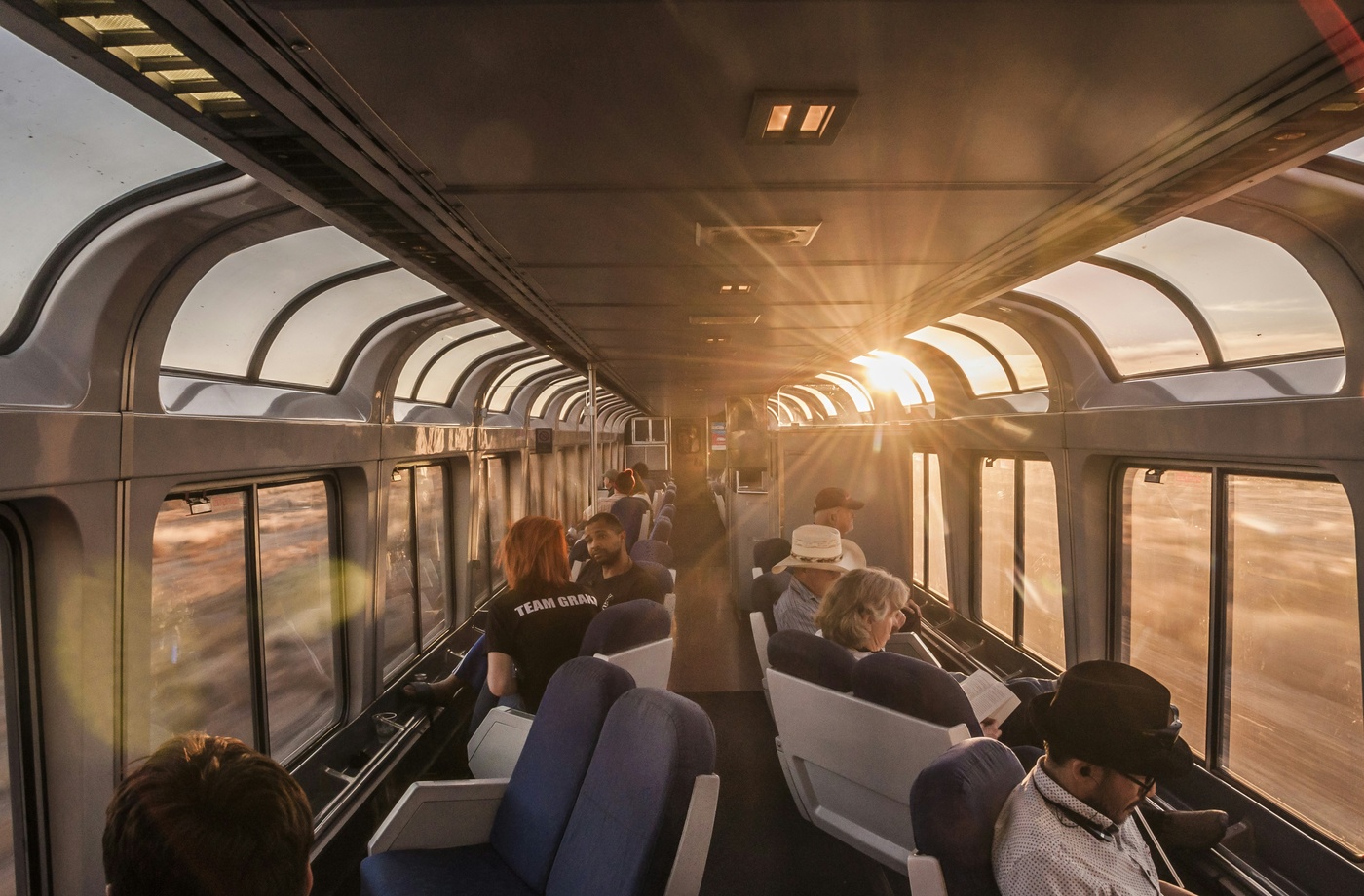
Train commuting is convenient, reliable, and environmentally friendly—but it can also put a dent in your monthly budget. If you ride frequently, those fares add up fast. The good news is there are several practical strategies to help you reduce your commuting costs and even earn rewards in the process.
Here’s how to stretch your transit dollars further—without sacrificing your daily schedule.
Start with a monthly or unlimited pass
Most major rail systems offer discounted monthly or unlimited ride passes for regular commuters. These options usually save money if you ride at least three to four times per week. For example, Metra offers significant fare reductions when you commit to a monthly plan, while MTA provides a 7-day and 30-day unlimited MetroCard.
Not only do these passes cut per-ride costs, but many let you tap and go, saving time during transfers and rush hour.
Use pre-tax commuter benefits through your employer
If your company participates in commuter benefit programs, you could be saving up to 40% by using pre-tax dollars for train fares. Programs like TransitChek allow employees to allocate funds for transportation, reducing taxable income while paying for commuting costs.
Check with your HR department to see if this option is available and make sure you’re enrolled—it’s one of the easiest ways to save.
Earn rewards with train gift cards
Another overlooked option is buying train or transit-related gift cards through cashback platforms. For example, you can earn cashback with an Amtrak gift card when you purchase it through Fluz. These gift cards can then be used for tickets, upgrades, and even food service during your commute.
By stacking a gift card purchase with Fluz’s instant cashback rewards, you’re getting value before you even board. This strategy is especially effective if you pre-load for the month or combine it with a rail pass.
Watch for fare promotions and flash sales
Some rail systems offer seasonal promotions or discounted off-peak fares. For instance, Amtrak occasionally runs sales on routes like Northeast Regional or Acela, which can be tracked directly on their Deals page. Regional providers also offer off-peak rates during midday or late-night hours—ideal for hybrid workers or flex commuters.
Set alerts through tools like Trainline or your local rail app to catch fare drops early.
Plan ahead and reduce single-ride purchases
Buying tickets daily at the station kiosk is the most expensive and time-consuming option. Mobile apps often offer slight fare discounts for advance purchases or allow you to skip lines entirely. For example, the Amtrak app and others let you store tickets, reload funds, and schedule recurring trips for predictability and savings.
Combine commuting with reward-earning purchases
If you ride through transit stations with coffee shops, convenience stores, or ride-share hubs, you can double-dip on rewards by paying with a cashback-eligible gift card. You can get rewards with a Dunkin’ gift card or earn cashback with a Starbucks gift card while grabbing your morning coffee during your commute.
Look for these everyday opportunities to turn your travel routine into a small, consistent reward cycle.
The bottom line
Train commuting doesn’t have to strain your wallet. By switching to passes, using pre-tax programs, and buying gift cards through cashback platforms like Fluz, you can make every ride smarter—and cheaper. Over time, even small adjustments add up to major savings for the everyday traveler.